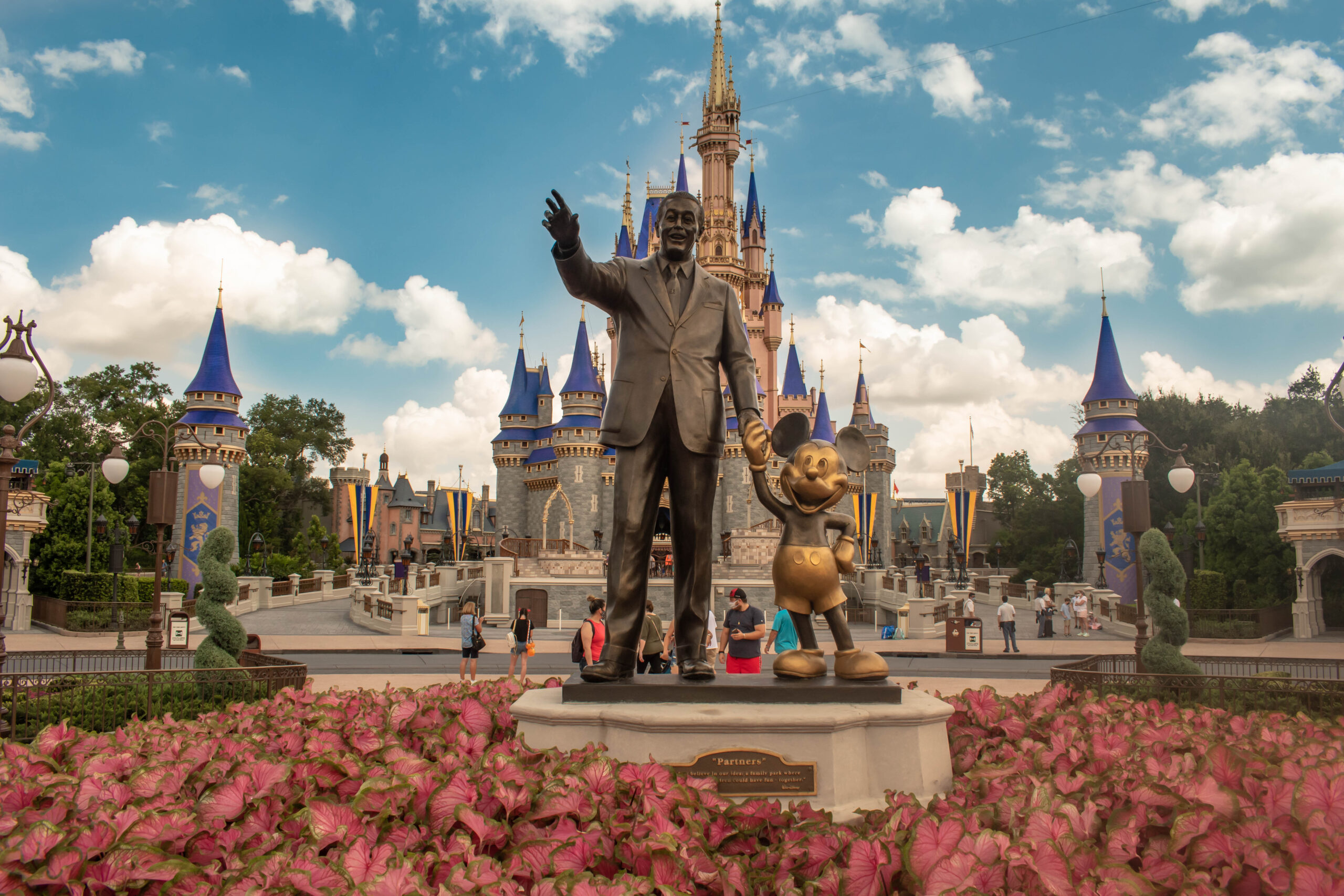
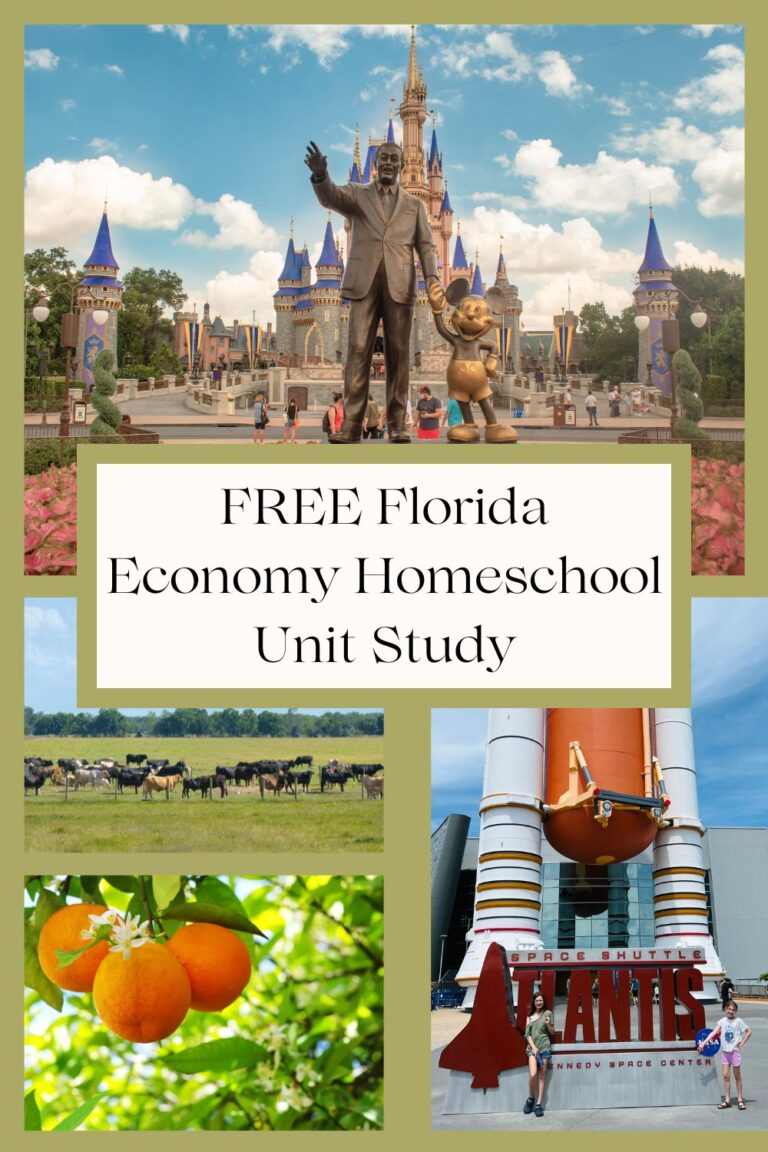
After a recent field trip to Disney World with our homeschool co-op, the girls began asking a lot of questions about the history of Disney and how theme parks have impacted Florida. Inspired by our conversation, I decided to put together a Florida economy homeschool unit study. Florida has the fourth largest economy in the United States and the fifteenth largest globally. Key industries include tourism, agriculture, and the space industry.
This unit study is geared toward upper elementary and middle school students and designed to take about a week. It includes free downloadable reading passages and comprehension questions, book recommendations, hands-on activity ideas, and videos. We have previewed all the videos included, but please view them first to determine their appropriateness for your students. Links to all the books are also included, but you may be able to find some of them at your local library. We hope you enjoy learning about Florida’s economy as much as we have!
Disclosure: This blog contains affiliate links. If you make a purchase through these links, we may earn a small commission—at no extra cost to you. All opinions are our own.
DAY ONE - INTRODUCTION TO FLORIDA'S ECONOMY
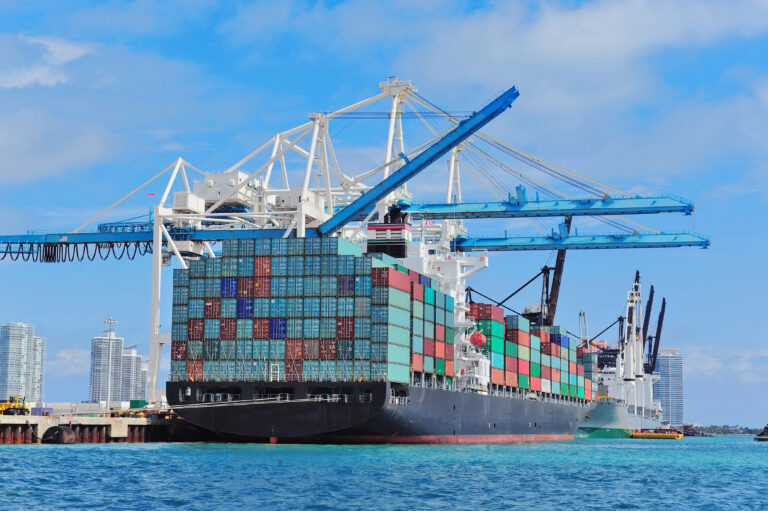
Today’s learning goal is for students to understand what an economy is and identify Florida’s major industries. You can use this free downloadable worksheet for a mini lesson that includes vocabulary words and comprehension questions. Discuss Florida’s biggest industries (tourism, agriculture, aerospace, fishing and seafood, and international trade). The book Florida’s Economy: From the Mouse to the Moon by Joanne Mattern is another good resource for a basic introduction.
Next, have students use a map to identify and label Florida’s key economic centers. Some ideas include Miami (international trade and tourism); Tampa (maritime trade through Port Tampa Bay); Orlando (tourism and hospitality); and Merritt Island (aerospace and aviation). To incorporate writing, you can finish today by having students respond to the following writing prompt: “How do you think Florida’s location helps its economy?”
DAY TWO - TOURISM INDUSTRY
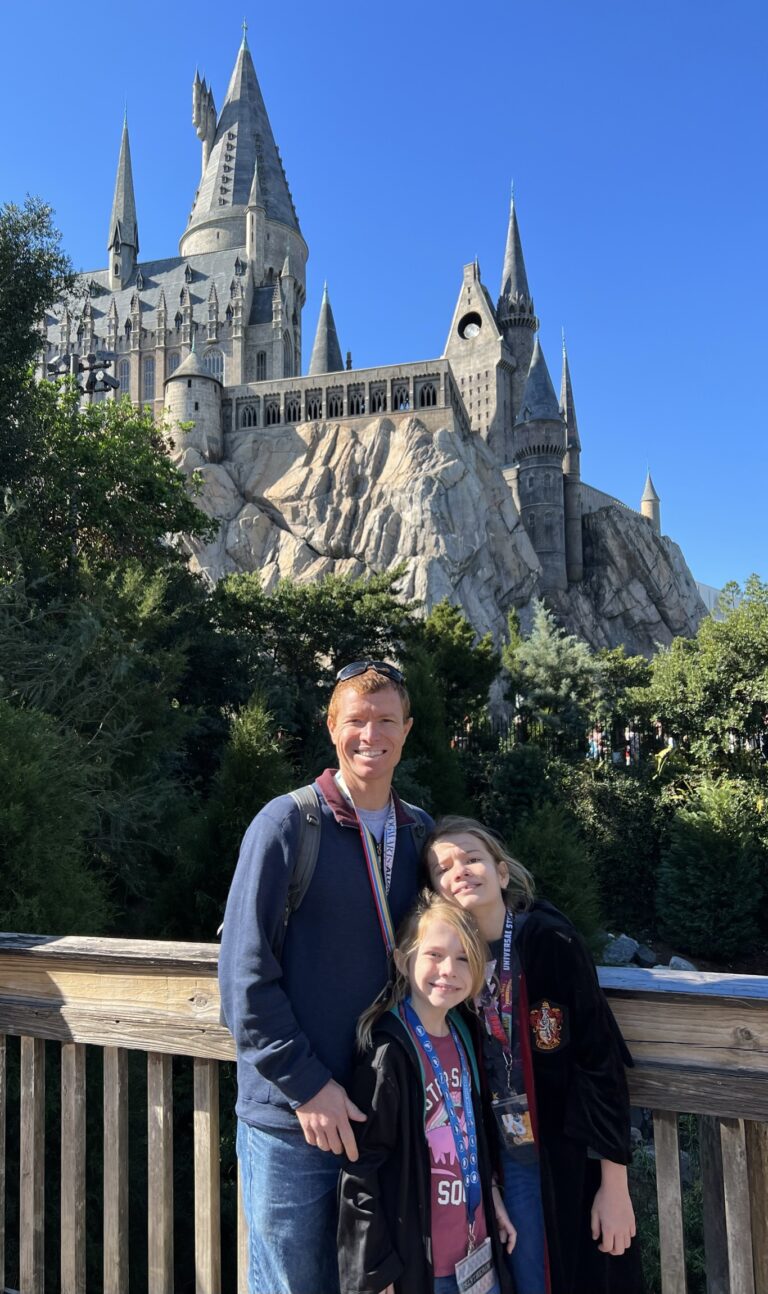
Tourism is Florida’s largest industry, and chances are your students will already be familiar with some of Florida’s major attractions, which include Walt Disney World, Universal Studios, Everglades National Park, and Kennedy Space Center. For today’s mini lesson, discuss how tourism creates jobs and how seasonal travel affects tourism. You can use this free downloadable worksheet for reading passages and comprehension questions.
After an overview of the tourism industry, have students design a Florida vacation brochure that includes at least three attractions, transportation ideas, and why tourists should visit Florida. For a math extension, have students calculate how much a family vacation to Florida might cost.
Additional resources:
DAY THREE - AGRICULTURE IN FLORIDA
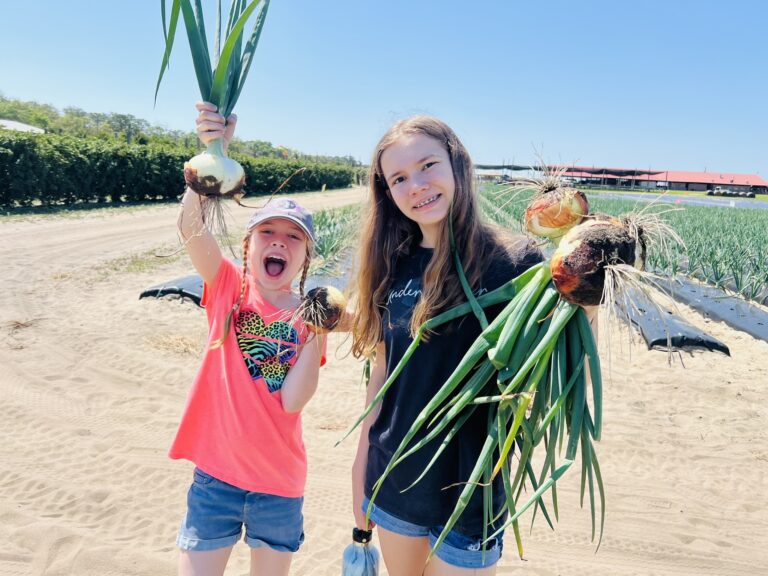
Due to its subtropical climate, Florida has an extended growing season, which allows farmers to grow crops much earlier and later than in northern climates. As a result, Florida is a major agricultural hub with a diverse range of crops from citrus and sugarcane to vegetables such as bell peppers and sweet corn and fruits such as watermelon, strawberries, and blueberries.
Today’s objective is to learn about Florida’s agricultural history and what agricultural industries are part of Florida’s economy. Begin with a discussion about why Florida’s climate helps farming, what happens to crops after harvest, and what crops Florida exports to other states and countries. Feel free to use this downloadable worksheet.
For a hands-on activity, have students sample some different produce that grows in Florida, or even plant their own small garden with Florida-friendly fruits or vegetables! Finish by having them draw a diagram showing the path of an orange (farm to processing plant to grocery store to customer). Older students may be interested in researching challenges facing the citrus industry (citrus greening, droughts and freezes, urban development) and how these challenges may affect the economy in the future.
Additional resources:
DAY FOUR - SPACE INDUSTRY AND TECHNOLOGY
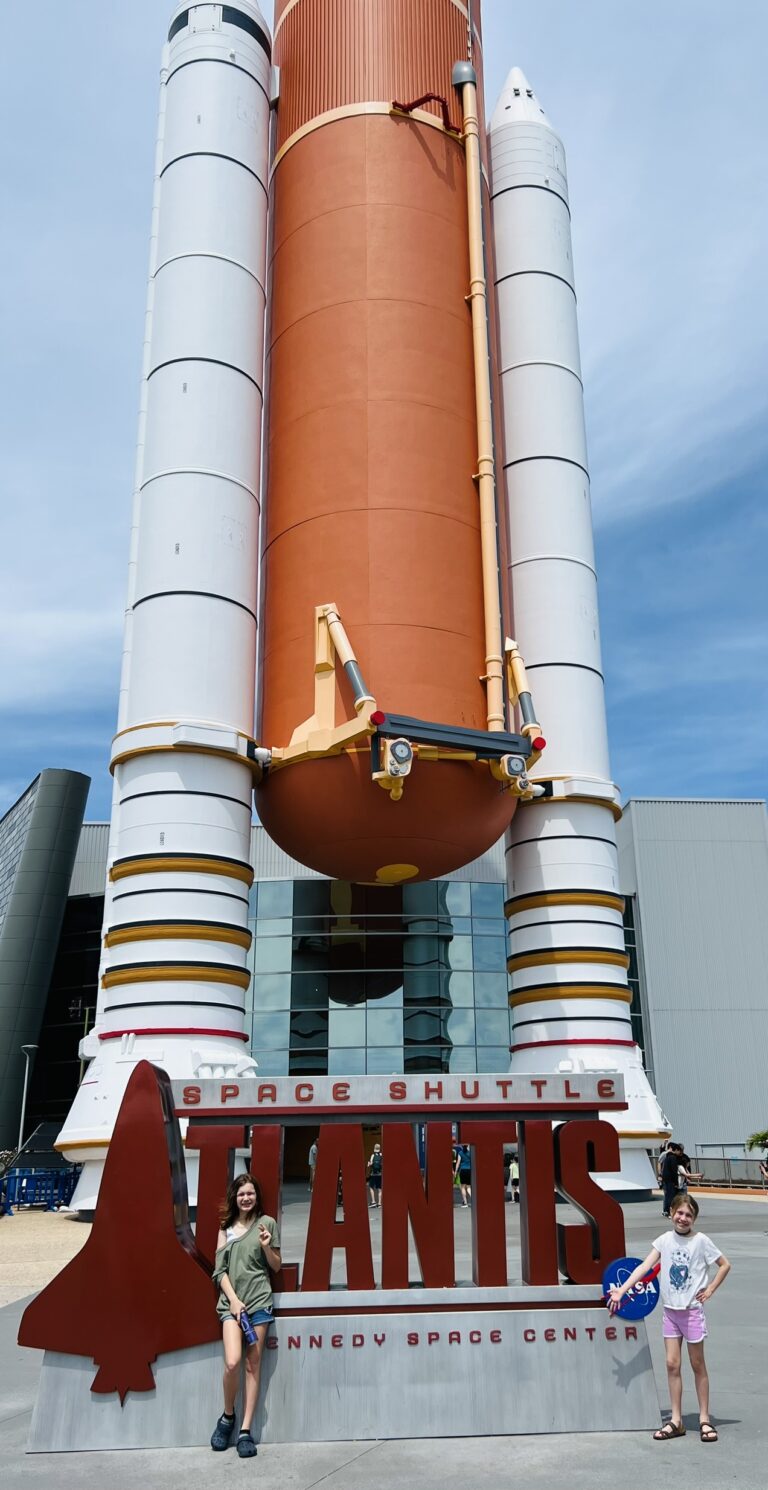
Florida plays a huge role in space exploration. In addition to government programs, private space companies are also part of Florida’s economy with regular launches occurring at Kennedy Space Center. For today’s lesson, discuss the history of space exploration in Florida, what jobs are available in aerospace engineering and technology, and why Florida’s location is ideal for launches. Feel free to use this downloadable worksheet in addition to other resources listed below.
For a fun STEM activity, have students design a rocket that includes clearly labeled parts and a mission purpose. To incorporate writing, students can respond to the following writing prompt: “How does the space industry help Florida’s economy?”
Additional resources:
DAY FIVE - FIELD TRIP AND FINAL PROJECT
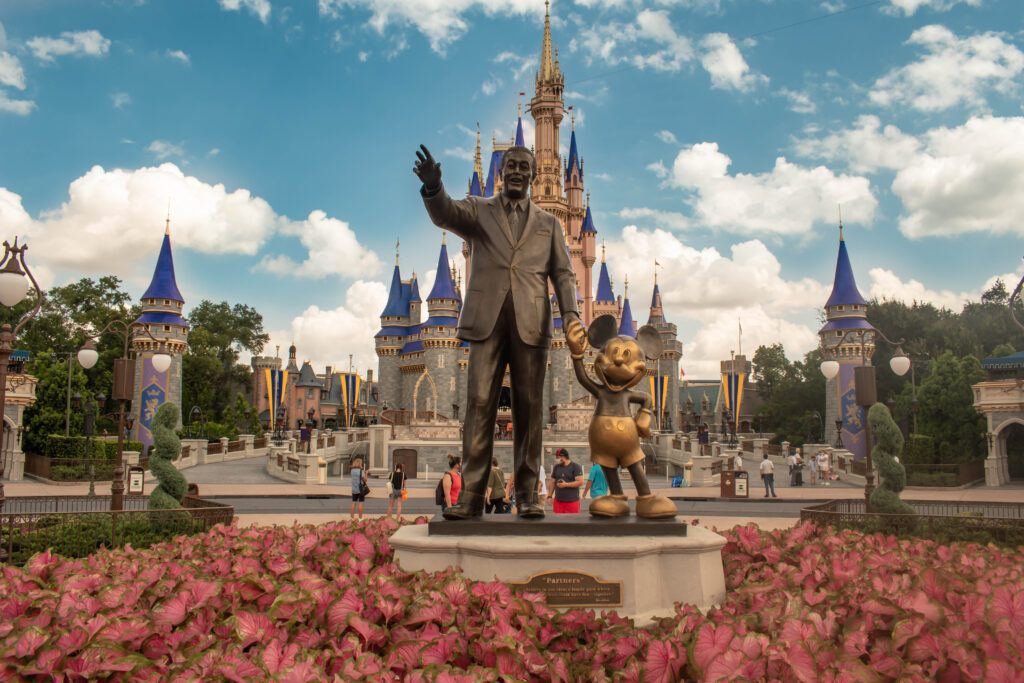
Field trip options are endless for this unit! For a tourism and hospitality field trip, you can visit a theme park such as Walt Disney World, Universal Studios, or Busch Gardens. Don’t just do the rides or shows–actively discuss the different jobs at the parks, seasonal demand, and the environmental impact of theme parks and tourism in general. If you do not live near one of the theme parks or are looking for a more economical option, you can visit another popular tourist destination in Florida, such as St. Augustine (also great for a history unit!), Everglades National Park, the Florida Keys, or Miami Beach.
To learn about agriculture, tour a citrus farm or visit a u-pick farm or farmer’s market. There are many options all over the state. If you live in Central Florida, we have an article about the best u-pick farms within driving distance of Orlando.
If you want to focus on Florida’s environment and natural resources, visit Everglades National Park or one of Florida’s many state parks. Be sure to discuss how natural resources contribute to Florida’s economy.
To learn about the aerospace industry, a visit to Kennedy Space Center is a must. Kennedy Space Center has many fun activities for kids, including an interactive play area, the Space Shuttle Atlantis exhibit, and an educational bus tour out to the Apollo/Saturn V Center, where kids can see the massive Saturn V rocket and touch a real moon rock. For families with kids five and under, Kennedy Space Center is offering the Junior Space Explorer Pass in 2026, where preschoolers receive free admission. If tickets to Kennedy Space Center are not in the budget, look up the launch schedule and try to travel to Canaveral National Seashore for a great view of a launch!
Want to take the field trip even further? Have students turn the trip into a final project. They can pick a job they see during the field trip and research it further, or create a “Florida Economy Map.” If time allows, they can interview a worker at the field trip location and write a report summarizing what they learned about that job. Students can also research and write a report comparing the different industries that make up Florida’s economy. The options are endless!
We hope that you found this Florida Economy Homeschool Unit Study helpful. Please consider clicking below to share this resource with others!

Sarah
I am the main writer and website designer for Florida Unveiled. I love the parts of Florida visitors don’t often see: the tea-colored water that flows in cypress-laden rivers; the chorus of frogs after a hard rain; the rustle of palmetto as an unseen creature scampers by. Some of my favorite places in Florida are the Everglades, the Keys, Smyrna Dunes Park, Bok Tower Gardens, Paynes Prairie Preserve State Park, and St. Augustine’s Historic District.